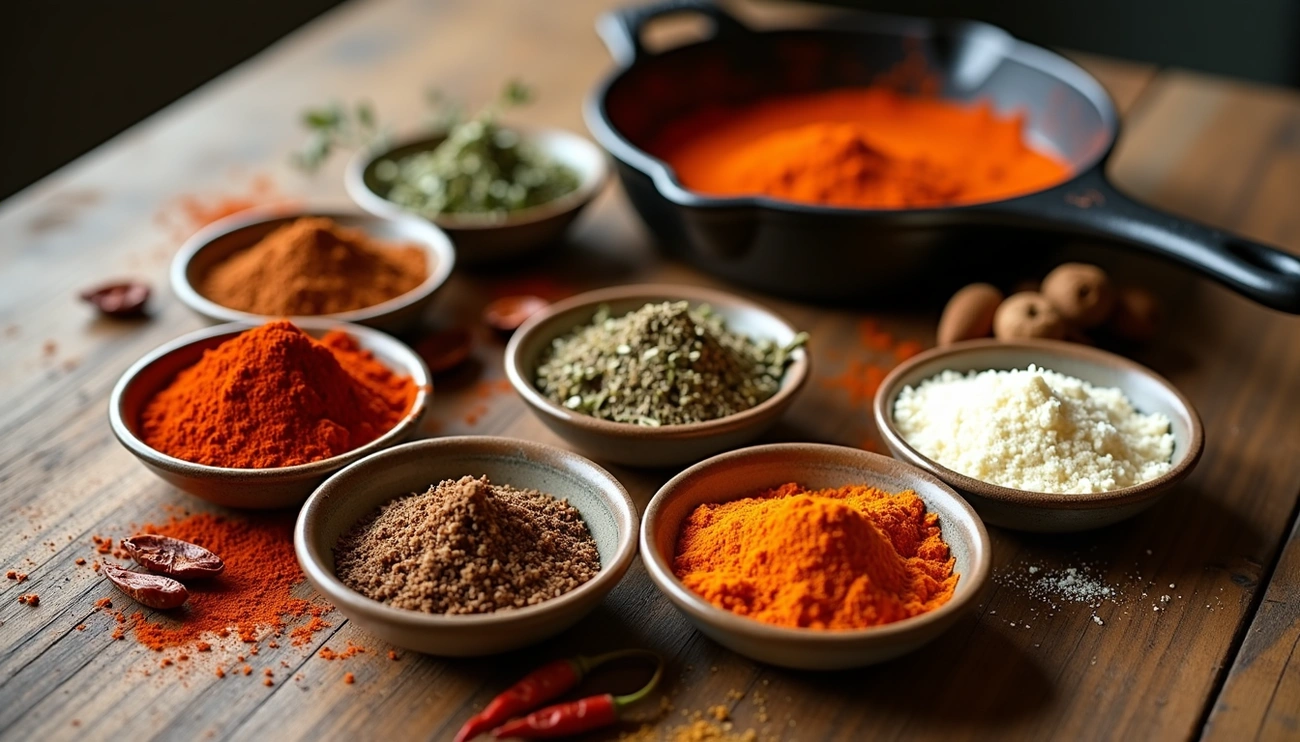
Cajun Flavor Secrets: Master Salt-Free Seasoning Basics
The very mention of Cajun cuisine conjures images of vibrant flavors, hearty dishes, and a certain undeniable zest for life. But what exactly makes Cajun food so distinctively delicious? Many assume "spicy" equates to an overwhelming fiery heat, akin to a jalapeño challenge. In reality, the heart of authentic Cajun cooking lies not in scorching palates, but in a masterful layering of complex flavors – a concept known as being "highly seasoned." This means a generous hand with a symphony of spices, carefully blended to create depth, aroma, and a satisfying warmth, rather than just raw heat.
For those eager to unlock these culinary secrets and infuse their meals with genuine Cajun flair, crafting your own homemade Cajun seasoning is a game-changer. Especially when you opt for a salt-free version, you gain unparalleled control over both flavor and health. Imagine perfectly seasoned gumbos, jambalayas, and blackened dishes, tailored precisely to your taste and dietary needs. Let's delve into the art of mastering salt-free Cajun seasoning, bringing the soulful flavors of Louisiana right into your kitchen.
Decoding Cajun Flavor: Beyond the Heat
In Cajun and Creole kitchens, the term "highly seasoned" is a badge of honor. It signifies a dish rich with aromatic compounds, where various spices contribute their unique personalities to a harmonious whole. While a gentle kick from red pepper is often present, it's typically balanced by earthy notes, savory depths, and sometimes a hint of herbaceous freshness.
Think of it as building a flavor foundation. Beyond the renowned "Holy Trinity" of onions, celery, and bell peppers that starts many Cajun dishes, the spice blend provides the soul. Each spice plays a vital role:
- Garlic and Onion Powder: These form the bedrock of savory flavor, adding a pungent, aromatic foundation.
- Black Pepper: Provides a sharp, warm, and distinctly peppery kick that enhances other flavors.
- Cayenne Pepper: This is where the controlled heat comes in. It offers a clean, building warmth that stimulates the palate without overwhelming it.
- Herbs (like Thyme or Oregano): While not always in every blend, they can introduce an earthy, aromatic complexity.
- Paprika: Contributes not just a beautiful reddish hue but also a mild, sweet, or smoky depth, depending on the variety.
The goal is a complex profile that sings on the tongue, allowing you to appreciate the layers of taste. This intricate balance is what truly defines "spicy" in the Cajun sense – a celebration of flavor, not just fire.
Why Go Salt-Free with Your Homemade Cajun Seasoning?
Many commercial Cajun seasoning blends, while convenient, contain a significant amount of salt. Brands like Tony Chachere's Original Creole Seasoning are famous for their flavor, but also for their high sodium content. While salt is undeniably crucial for enhancing flavor, adding it directly into your spice blend can be problematic for several reasons:
- Health Control: For individuals monitoring their sodium intake due to blood pressure concerns or other health reasons, a salt-free blend is essential. It allows you to enjoy rich flavors without compromising your dietary goals.
- Culinary Precision: Different dishes require varying amounts of salt. A salt-free homemade Cajun seasoning gives you the power to season your food accurately. You can add a pinch of salt to a marinade, a more generous amount to a pot of rice, and a mere suggestion to a finishing sauce, all while using the same flavorful spice blend as your base. This prevents over-salting before you even taste your dish.
- Versatility in Application: Imagine using your blend as a rub for meats, a dredge for fried seafood, or an aromatic addition to vegetables. If your blend is salt-heavy, these applications become limited. A salt-free version can be used liberally in countless ways, from creating a robust dry rub to infusing oils, without worry.
- Flavor Purity: When salt isn't masking or competing with the other spices, their individual nuances can shine through more clearly. This allows for a deeper appreciation of the complex flavor profile you've worked so hard to create.
Even popular brands like Tony's now offer salt-free versions, acknowledging the demand for more control. However, making your own offers the ultimate customization and freshness.
The Essential Building Blocks for Your Salt-Free Homemade Cajun Seasoning
While you can "get by" with a very basic blend of salt, black pepper, and garlic powder, to truly capture the essence of Cajun flavor, a more comprehensive mix is needed. The beauty of making your own is the flexibility to adjust it to your palate. Here's a foundational recipe that provides an excellent starting point, inspired by traditional blends:
Key Ingredients & Their Roles:
- Cayenne (Red) Pepper: Provides the signature heat. Adjust to your preference.
- Black Pepper: Adds pungency and a warm, sharp undertone. Freshly ground is always best.
- Garlic Powder, Granulated: A non-negotiable for its deep, savory, umami-rich base.
- Chili Powder: Adds an earthy depth and often a subtle smoky note. (Note: In the US, chili powder is typically a blend of ground chiles, cumin, oregano, and sometimes garlic powder, so choose one without salt if buying pre-made).
- Ground Onion: Offers a sweet and savory aromatic layer that complements the garlic.
- Ground Celery: This is a secret weapon for authentic Cajun flavor. It provides a subtle, savory, slightly bitter note that mimics the fresh celery in the Holy Trinity, adding depth and authenticity.
- Ground Bay Leaves: Contributes a complex, slightly floral, and woodsy aromatic quality. Essential for that true "long-cooked" flavor.
For an even richer and more personalized blend, consider adding other spices like smoked paprika for color and a smoky sweetness, dried oregano for an earthy herbaceousness, or even a touch of white pepper for a different kind of gentle heat. The key is to source fresh, high-quality spices for the best results.
Crafting Your Signature Salt-Free Homemade Cajun Seasoning Blend
Ready to mix up your first batch? This recipe is designed for a small quantity, perfect for trying out and adjusting before scaling up to a larger, pantry-staple batch. Remember, if you love it, simply multiply the quantities proportionally!
Recipe: Beryl's Salt-Free Homemade Cajun Seasoning (Small Batch)
Ingredients:
- ½ teaspoon cayenne (red) pepper
- ½ teaspoon black pepper
- 1 teaspoon garlic powder, granulated
- ½ teaspoon chili powder (salt-free)
- 1 teaspoon ground onion
- 1 teaspoon ground celery
- ½ teaspoon ground bay leaves
Directions:
- In a clean glass jar or other airtight food storage container, combine all the dry ingredients.
- Using a spoon, stir the spices thoroughly to ensure an initial blend.
- Secure the lid tightly on the container.
- Shake vigorously for about 30-60 seconds to further combine and distribute the spices evenly.
- Use as needed. Remember to shake the jar well before each use, as spices can settle over time.
Tips for Success & Storage:
- Adjusting Heat: If you prefer less heat, reduce the cayenne pepper. For more fire, increase it gradually.
- Scaling Up: Once you find your perfect balance, you can easily make larger quantities. A good starting point for a bigger batch might be to multiply each ingredient by 4 or 8.
- Freshness Matters: For the most vibrant flavor, ensure your individual spices are fresh. Spices lose potency over time, so periodically check their aroma.
- Storage: Store your homemade Cajun seasoning in an airtight container in a cool, dark place, away from direct sunlight or heat. This will help preserve its flavor and aroma for up to 6 months. While it won't spoil, its potency will diminish over time.
- Using Whole Spices: For ultimate freshness, consider buying some spices (like bay leaves, black pepper) whole and grinding them yourself just before mixing. A coffee grinder dedicated to spices works wonders.
For an even deeper dive into crafting your perfect blend, explore resources like Make Your Own Salt-Free Cajun Seasoning at Home and find more options and easy recipes in Homemade Cajun Seasoning: Salt-Free Options & Easy Recipes.
Mastering the art of salt-free homemade Cajun seasoning is an empowering step for any home cook. It gives you complete control over the flavor profile and sodium content of your dishes, allowing you to create truly authentic and delicious Cajun meals without compromise. This blend will become an invaluable tool in your culinary arsenal, ready to transform everyday ingredients into extraordinary culinary experiences. So, mix up a batch, experiment with the flavors, and prepare to bring the vibrant, soulful tastes of Louisiana right to your dinner table!
